Family
Taking Babies and Toddlers to Museums: The Survival Guide That Makes It Fun
By Sophie Hart · Founder & Editor
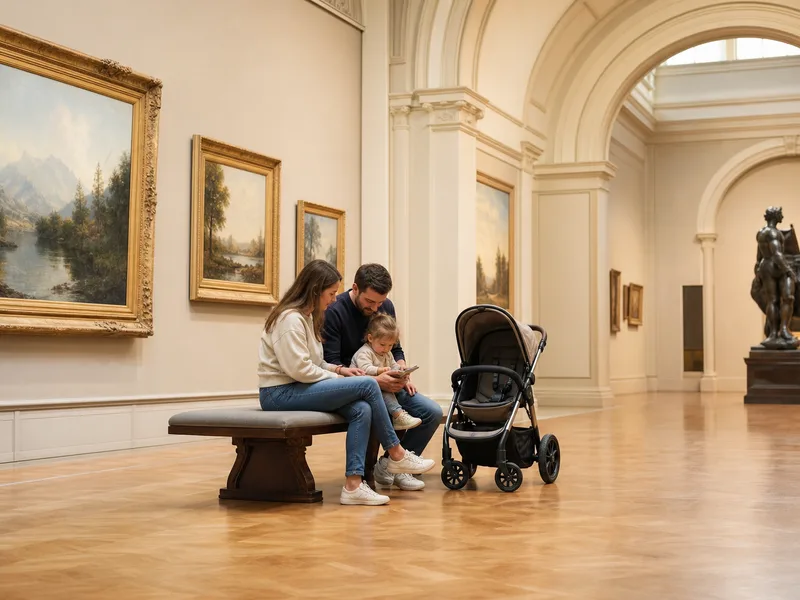
The secret nobody tells new parents: museums are among the best baby-and-toddler venues in Britain. They're warm, dry, free (the big nationals, anyway), full of changing facilities and café high chairs, and endlessly stimulating — provided you play them on toddler rules rather than gallery-connoisseur rules.
When is the best time to visit a museum with young children?
Doors-open on a weekday morning, in school term time — you'll share the galleries with other under-5s and almost nobody else. Avoid weekends after 11am, school holidays generally, and rainy half-term days especially. Late afternoon (after 3pm) is the sleeper slot: school groups have left and day-trippers are flagging.
The rhythm that works: arrive at opening, do your headline gallery first while everyone's fresh, café stop at the pre-lunch lull (11.15 beats 12.30 everywhere), one more gallery or the shop, and leave before the meltdown window. Ninety focused minutes beats four attritional hours every time — free entry means there's no sunk cost forcing you onward, and "we'll come back" is the whole strategy.
What should I pack for a museum trip with a baby or toddler?
Less than you think, in a backpack not a tote: snacks and water, one nappy-change kit, a muslin, a sling or carrier for pram-hostile galleries, and one quiet pocket toy. Check the museum's website first — most big UK museums have buggy parks, lockers, feeding rooms and lifts mapped.
The kit notes that earn their place: a sling matters because historic buildings hide their lifts in distant corners and some galleries are pram-purgatory; snacks matter because café queues peak exactly when toddler blood sugar dips (most museums allow snacking in foyers, not galleries — ask); and the pocket toy is for the moment the exhibits stop landing. Our changing bag guide covers the backpack-style bags that keep hands free for hand-holding.
How do I keep a toddler engaged in a museum?
Turn it into games: I-spy hunts ("find something with wheels… something bigger than Daddy"), counting and colour missions, drawing a favourite object on a notepad, and letting the toddler lead for stretches. Interactive and object-rich galleries beat art on walls; twenty engaged minutes is a triumph, not a failure.
Games that reliably work from 18 months up:
- The pointing safari — animals, vehicles, "something shiny": name a target category per room.
- Big/small/old/new — comparison games turn any cabinet into content.
- The postcard mission — buy three postcards in the shop first, then hunt the real objects.
- Sketching stops — a pad and crayons parks a wriggly child in front of one object for ten calm minutes.
- The guard question — museum staff light up when a small child asks "what's the best thing here?"
Which UK museums work best with babies and toddlers?
Science and transport museums are the toddler sweet spot — buttons, vehicles and things that move — followed by natural history (dinosaurs and whales need no interpretation). Most UK nationals are free: London’s Science and Natural History Museums, the National Railway Museum in York, and Glasgow’s Riverside among them, plus dedicated hands-on children’s museums like Eureka! in Halifax.
A UK shortlist by type: science (Science Museum London's under-7s Wonderlab-adjacent spaces; Glasgow Science Centre; Thinktank Birmingham), transport (National Railway Museum York; London Transport Museum's play zones; Riverside Glasgow), natural history (London's NHM dinosaurs; World Museum Liverpool), purpose-built for children (Eureka! Halifax; Discover Children's Story Centre, London), and any local museum on a quiet morning — smaller rooms, no queues, and a toddler-height case of something ancient is astonishing wherever it lives. For planning visits further afield — opening quirks, family facilities and what's genuinely worth the trip — WorldMuseumGuide indexes museums by type and family-friendliness. And the educational payoff is real: object-rich early visits are linked with stronger curiosity, vocabulary and museum-comfort that lasts — children who grow up in free museums treat them as theirs for life.
Which gear is worth getting right?
Shortlists we actually research — rankings can't be bought, and every pick links to retailers we've verified.
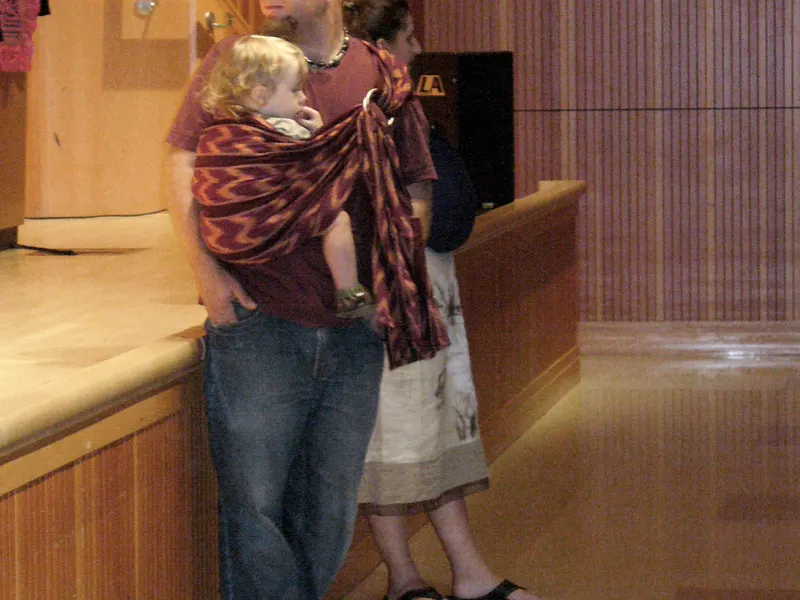
Best Baby Carriers & Slings UK
The best baby carriers and slings in the UK — structured carriers, newborn options and budget picks compared, with TICKS safety guidance.
6 picks compared
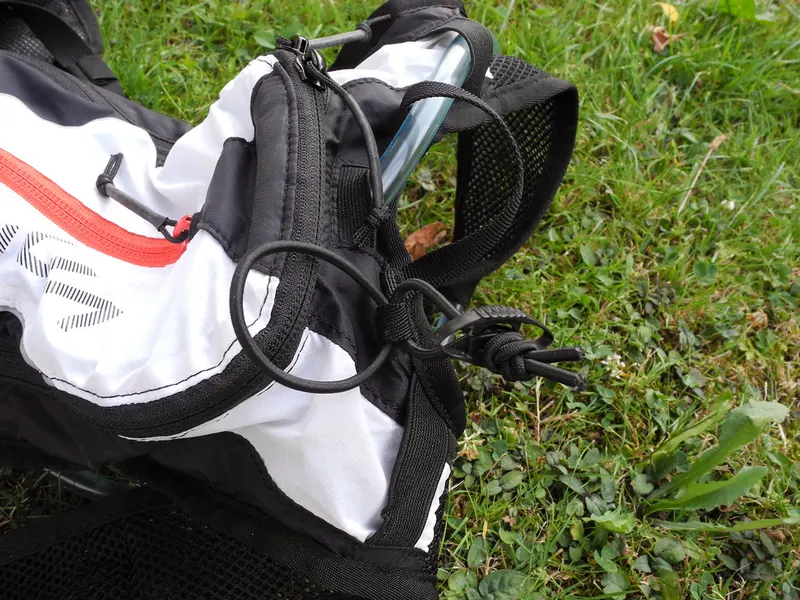
Best Baby Changing Bags UK
The best baby changing bags in the UK — hands-free backpacks with insulated pockets, wipe-clean linings and enough storage for a full day out, compared on practicality and price.
4 picks compared
What questions come up most?
Are museums free for children in the UK?
The national museums — including the Science Museum, Natural History Museum, National Railway Museum and their counterparts in Scotland, Wales and across English regions — are free for everyone, with charges only for special exhibitions. Independent and children’s museums (like Eureka!) charge, but usually with under-2s free.
Can I take a pram around a museum?
Almost always yes — the big UK museums are step-free with lifts and buggy parks — but historic buildings can make it slow going, and busy galleries are easier baby-in-sling. Check the museum’s access page before travelling; most publish buggy, feeding-room and changing-facility maps.
What age is worth taking a child to a museum?
Any age — babies get high-contrast stimulation and parents get a warm, free, pram-friendly day out, while toddlers from around 18 months genuinely engage with vehicles, animals and buttons. The educational research favours starting early: familiarity breeds comfort, and comfort breeds curious school-age visitors.
How long should a museum visit last with a toddler?
Plan for 60–90 engaged minutes plus a café stop, built around one or two chosen galleries — and leave while it’s still going well. Free entry is your friend: three short happy visits build a museum-loving child far better than one exhausting comprehensive one.
Sources & further reading
- Find a museum — family visiting information — WorldMuseumGuide
Keep reading
Travelling With a Toddler: Flying, Car Journeys and Days Out
Practical UK guidance for travelling with a toddler — car seat rules on flights, road trip breaks, travel health, and what actually helps on the day.
Toddler Screen Time: A Guilt-Free, Evidence-Based Guide
What the evidence really says about toddlers and screens — how much matters less than what and with whom, plus realistic rules for real UK households.
Starting School: A Reception Readiness Checklist for UK Parents
Reception readiness in England: self-care beats reading. What schools actually expect, summer-born delayed starts, and who should skip this checklist.