Family
Babies, Children and Pets: Safe Introductions, Boundaries and Real Benefits
By Sophie Hart · Founder & Editor
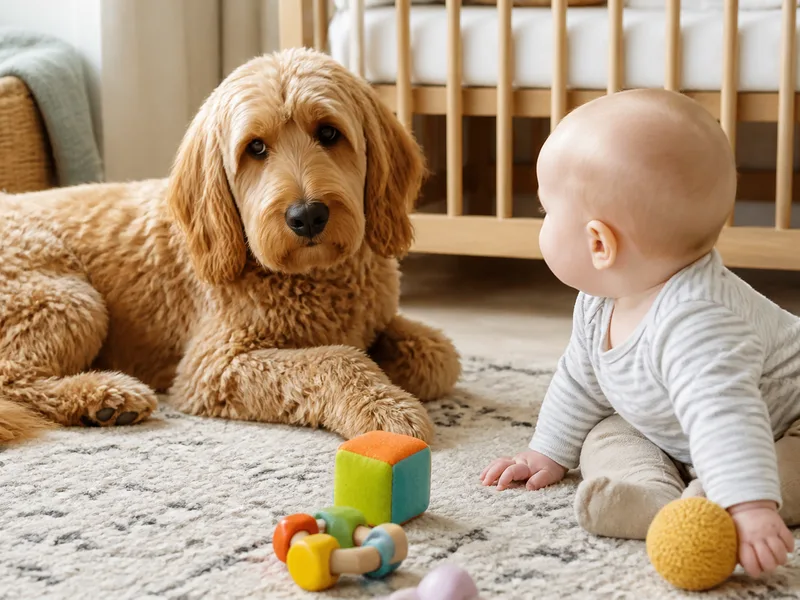
Most family pets adjust to a new baby far better than the worried parents expect — and most incidents that do happen follow predictable, preventable patterns: a child bothering an eating or sleeping animal, or a moment nobody was watching. Structure those two things and you've handled the bulk of the risk.
How do I introduce our dog or cat to a new baby?
Prepare before the birth: sort routines, boundaries and pet-free zones early so the pet doesn't associate change with the baby. First meeting: calm, on-lead for dogs, baby in arms, pet allowed to sniff and retreat freely — short, positive and unforced. Then build gradual, always-supervised coexistence over weeks.
The preparation that pays off:
- Shift routines a month early — new walk times, moved feeding spot, closed nursery door — so nothing changes at the baby's arrival.
- Bring the scent home first: a worn babygrow from the hospital gives a dog or cat a low-stakes introduction before the noisy reality arrives.
- Protect the pet's territory too — a baby-free bed, feeding corner and retreat route. A pet that can always leave is a pet that rarely feels cornered, and cornered is where trouble starts.
- Cats and newborns: keep cats out of the sleep space (a cat-net for prams outdoors, closed door or net for the cot) — not because of folklore about breath-stealing, but because a warm sleeping surface is exactly where a cat wants to nap.
What hygiene rules actually matter with pets and babies?
The high-value habits: wash children's hands after touching pets and before eating, keep pets off food-preparation surfaces, worm and flea-treat pets on schedule, keep litter trays and food bowls out of crawling range, and pregnant women should hand cat-litter duty to someone else (toxoplasmosis) or wear gloves.
What the evidence doesn't support is aiming for a sterile home: growing up with pets is associated with lower rates of some allergies and asthma, and the everyday microbial traffic of a pet household may be part of why. The genuinely non-negotiable bits are the parasite schedule (worming matters most where toddlers and pet play areas overlap — toxocariasis is rare but serious), raw-feeding hygiene if you feed raw, and washing hands after handling reptiles or amphibians, which commonly carry salmonella. PetHealth's parasite and preventative-care guides cover the treatment schedules by pet and age.
How do I teach a toddler to behave around animals?
Teach three rules from the start: gentle hands (stroke with a flat, slow hand — model it constantly), let them leave (never chase, corner or hug-trap an animal), and leave them alone when eating or sleeping. Praise the behaviour you want, interrupt the behaviour you don't, and supervise 100% of contact until at least school age.
Toddlers aren't cruel; they're experimental — a tail is a rope, an eye is a poke-hole. The framing that lands is reading the animal aloud: "look, his ears are back — he's saying no thank you" builds exactly the animal-literacy that prevents bites later, and children who learn to read a dog's signals at home carry that safety skill to every dog they meet on every pavement. It's the unfamiliar-dog rules that matter most for the statistics: always ask the owner, let the dog sniff first, no faces near faces, and never touch a dog that's tied up, behind a fence or eating.
Are pets actually good for children?
Yes, with real evidence: children with pets show higher empathy scores and stronger responsibility habits, pet-owning households report better child mental wellbeing — a live-in confidant who never judges — and early pet exposure correlates with fewer allergies. The caveat: benefits flow from involvement, so give children real, age-matched care jobs.
Age-matched involvement in practice: a three-year-old can pour pre-measured food and help brush; a seven-year-old can own feeding schedules and poo-bag duty on walks; a ten-year-old can take training classes. The pet the child helps care for becomes the empathy curriculum — the one who's merely furniture becomes the parents' third child. If you're not ready for ownership, that curriculum is still available: see our guide to teaching children empathy through animal rescue.
Which gear is worth getting right?
Shortlists we actually research — rankings can't be bought, and every pick links to retailers we've verified.
What questions come up most?
Can I leave my dog alone with my baby if the dog is gentle?
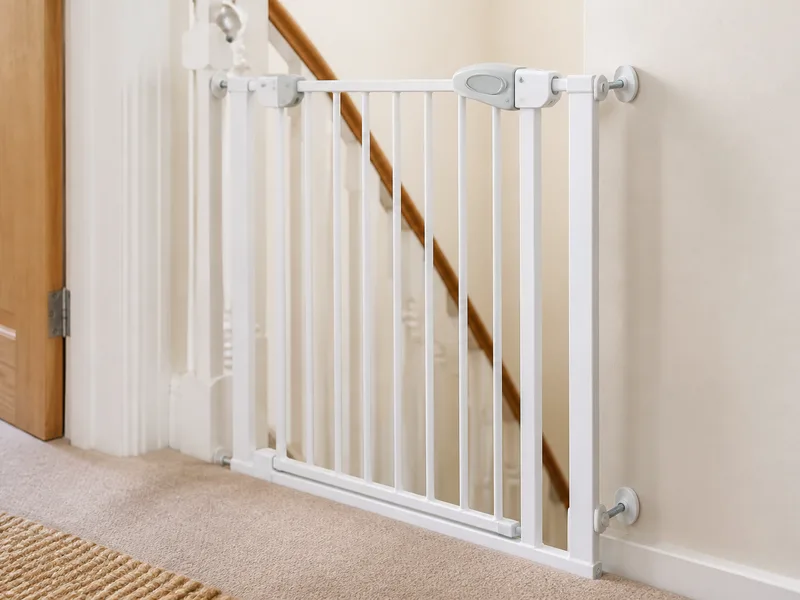
No — never, whatever the breed or temperament history. The overwhelming majority of dog bites to young children come from known family dogs in unsupervised moments, usually after normal-for-a-baby behaviour the dog found threatening. Supervision or separation (gates, playpens, different rooms) at all times is the rule.
Should I get rid of my cat when pregnant because of toxoplasmosis?
No — NHS advice is simply to avoid handling cat litter while pregnant (or wear gloves and wash hands thoroughly), since the parasite spreads through faeces, not through stroking or living with a cat. Garden soil and undercooked meat are actually the more common toxoplasmosis routes.
What age can a child be responsible for a pet?
Meaningful jobs start around 3 (helping feed and brush, always supervised), genuine daily responsibilities around 6–8, but an adult remains the animal’s actual guardian throughout childhood — welfare can never hinge on a child’s follow-through. The realistic promise is "our family pet you help with", never "yours to look after".
Which pets are best for young children?
For hands-on gentle interaction, a well-socialised adult dog or confident cat suits family life better than the classic "starter pets" — hamsters are nocturnal and nippy, and rabbits, though wonderful, dislike being picked up and need far more care than their reputation suggests. Whatever the species, the adult owns the welfare.
Sources & further reading
- Toxoplasmosis — NHS
- Dog safety around babies and children — advice hub — PetHealth
Keep reading
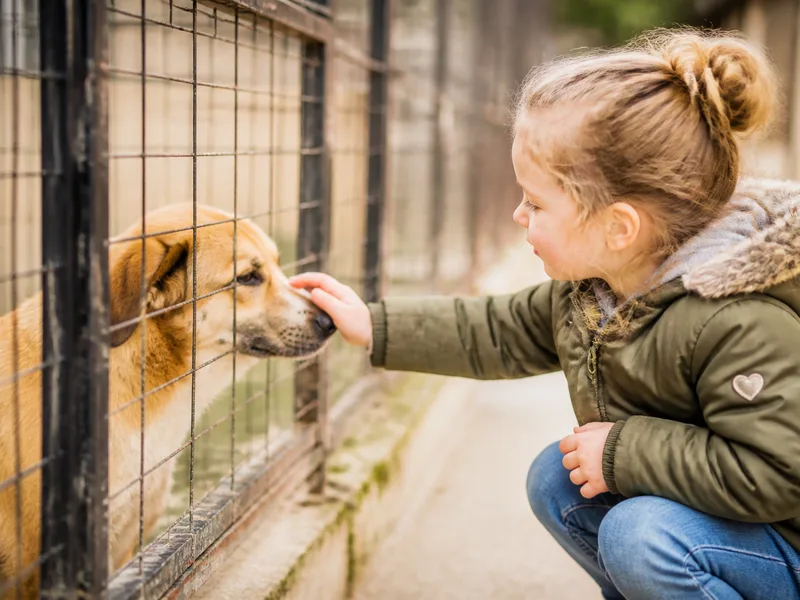
How Animal Rescue Teaches Children Empathy (Even If You Can’t Adopt)
How animal welfare and rescue involvement builds children’s empathy and responsibility — and the practical ways UK families can help without adopting a pet.
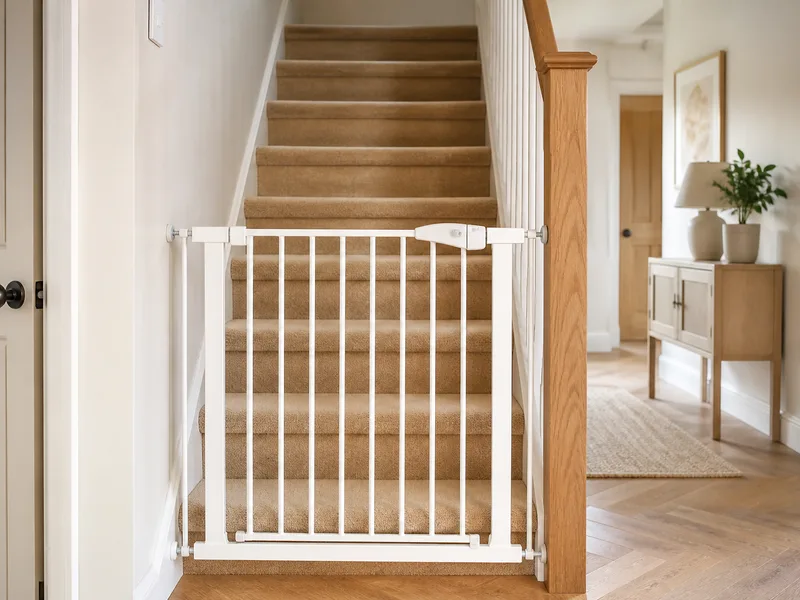
Toddler Safety: The Real Risks at Home and Out and About
The genuine toddler safety risks UK parents should know — falls, poisoning, choking, road and water safety — sourced from RoSPA, with practical steps that help.
Baby-Proofing Checklist: A Room-by-Room Home Safety Guide
A practical, room-by-room baby-proofing checklist for UK homes — when to start, what actually matters, and the safety gear worth buying versus skipping.