Family
Starting School: A Reception Readiness Checklist for UK Parents
By Sophie Hart · Founder & Editor
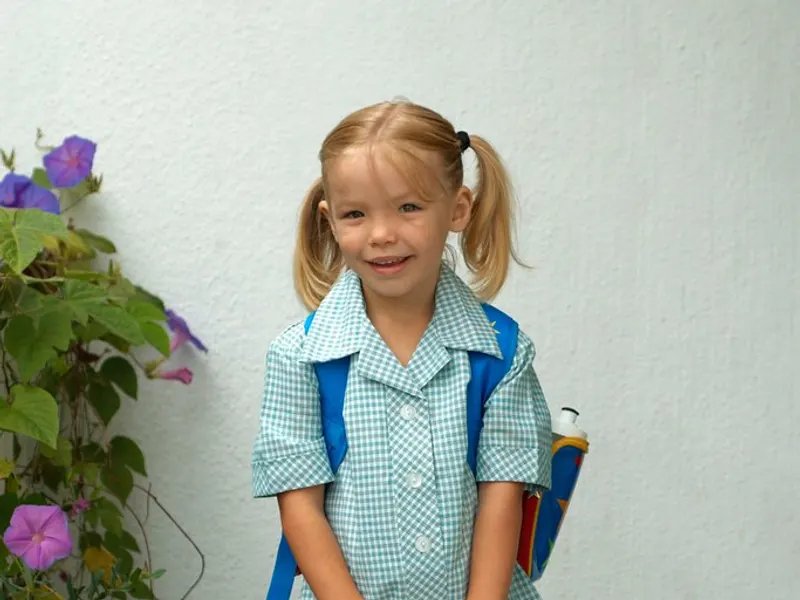
Starting school is a bigger milestone for parents than it often is for the child — most children adapt faster than the adults expect. Here's what genuinely helps, based on what schools themselves say they look for.
What schools actually expect
Reception teachers consistently say the same thing: they'd rather have a child who can put on their own coat than one who can already read. Academic skills are what Reception is for — the real readiness gap is almost always self-care and independence, not literacy or numeracy.
The skills worth practising
- Getting dressed — coat, shoes (velcro is genuinely easier than laces at this age), and jumper on/off for PE
- Toileting independently — including wiping and washing hands without help. Accidents happen and staff are used to it, but independent toileting is one of the most practically useful skills to have nailed down before September
- Recognising their own name — not necessarily reading it, but recognising the shape of it on a peg or drawer
- Using a knife and fork, and opening their own lunchbox or snack packaging
- Following a simple two-step instruction ("put your coat on the peg, then come and sit down")
Separation and settling in
Most schools run a staggered start — shorter days, sometimes split groups — over the first one to two weeks rather than throwing every new Reception child into a full day immediately. Some separation anxiety at drop-off in the first few weeks is genuinely normal and doesn't predict how the rest of the term will go; a consistent, brief goodbye routine (rather than lingering) tends to help more than a long, drawn-out farewell.
Summer-born children
Children born between 1 April and 31 August turn 4 later in the school year than their peers, and have the right to request a delayed start — starting Reception the following September instead, closer to age 5. This isn't automatic; it's arranged individually with your local authority's admission team, so contact them directly if you're considering it, well ahead of the normal application deadline.
Practical prep that actually helps
- Label absolutely everything — coats, water bottles, PE kits, shoes
- Practise the school run itself a few times before term starts, so the building and route are familiar
- Talk about school positively and factually, without over-hyping it or dwelling on separation
- A simple visual routine at home (get dressed, eat breakfast, brush teeth, shoes on) mirrors the structure the school day will have
Your questions, answered
Does my child need to be able to read before starting Reception?
No — reading and writing are what Reception is there to teach. Schools consistently say self-care skills (dressing, toileting, following simple instructions) matter far more for a smooth start than any academic head start.
What if my child is summer-born?
Children born between 1 April and 31 August have the right to request a delayed start to the following September, so they start Reception closer to age 5. This is arranged individually with your local authority admission team — contact them directly and well ahead of the normal deadline.
Is it normal for my child to be upset at drop-off?
Yes, very — separation anxiety in the first few weeks is common and doesn't predict how the rest of the term will go. A brief, consistent goodbye routine tends to help more than a long, lingering one.
Sources & further reading
- School starting age — GOV.UK
Keep reading

Sibling Rivalry: Welcoming a New Baby Without the Guilt
Jealousy, regression and acting out when a new baby arrives are all normal — practical ways to help an older child adjust, without guilt or over-managing it.

Wraparound & Holiday Childcare in the UK: What's Available and What It Costs
A practical guide to UK before/after-school and holiday childcare — Tax-Free Childcare, wraparound childcare, and the Holiday Activities and Food scheme.
Settling Into Nursery or Preschool: A UK Guide
How UK funded childcare hours work for 2-4 year olds, what a normal settling-in period looks like, and how to help a toddler adjust to nursery or preschool.