Baby
Baby Sleep Regressions and Sleep Training Methods Compared
By Emma Whitfield · Pregnancy & Baby Writer
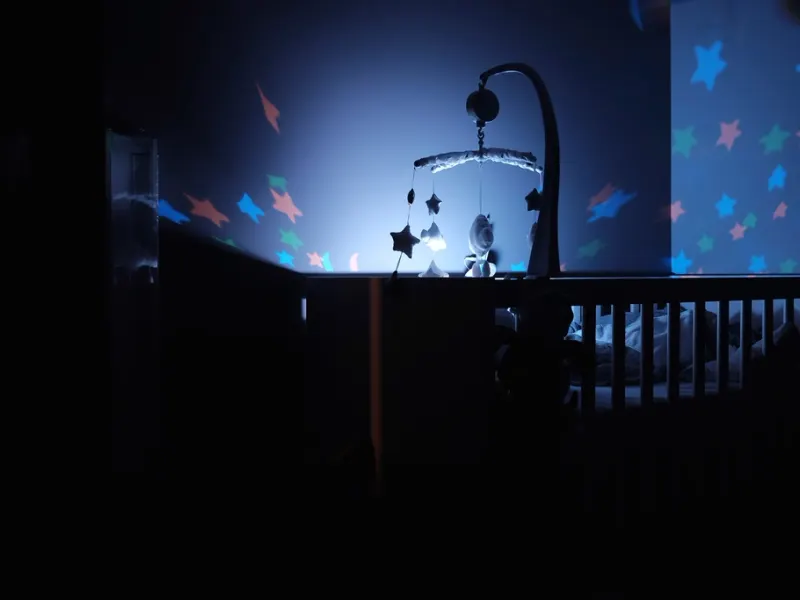
A "sleep regression" isn't a diagnosis — it's a useful shorthand for a stretch where a baby who was sleeping reasonably well suddenly wakes more, naps less, or resists settling. They cluster around predictable ages because they usually track a developmental leap.
Why regressions happen, and when
- ~4 months: sleep cycles mature from newborn patterns into adult-like cycles with lighter stages — babies wake more often between cycles because they're waking through the same lighter sleep stages adults do.
- ~8–10 months: often coincides with crawling, pulling to stand and separation anxiety — physical and emotional leaps that make settling harder.
- ~18 months: language explosion and growing independence (and sometimes nap transitions) can disrupt a previously solid routine.
None of these need "fixing" as such — they typically ease within 2–6 weeks as the developmental stage settles, whether or not you change anything about your approach.
If you choose to sleep train: methods compared
Sleep training is a personal choice, not a medical necessity — plenty of families never do it and that's entirely fine. If you do want a more structured approach, here's how the common methods differ, roughly from gentlest to fastest:
- Chair method: you sit in the room, gradually moving your chair further from the cot over successive nights, offering reassurance without picking up. Slow (often 1–2 weeks) but no crying it out alone.
- Pick-up-put-down: you pick baby up to soothe when they cry, then put them down again once calm, repeating as needed. Physically tiring but no extended crying alone.
- Fading / gradual retreat: you gradually reduce your involvement in settling (rocking less, then not at all; in-room then out) over a week or two.
- Ferber method (graduated extinction): you leave the room and return at gradually lengthening intervals to briefly reassure (not pick up) if baby cries, extending the gaps over several nights.
- Extinction ("cry it out"): you settle baby and leave, only returning if you're worried about their safety, without scheduled check-ins. The fastest method (often 3–7 nights) and the most emotionally difficult for many parents.
Safer sleep applies whichever you choose
Whatever settling approach you use, the safer-sleep basics don't change: always place baby on their back in a clear cot (no loose bedding, pillows, or bumpers), room-share for the first 6 months, and keep the room at 16–20°C. See our newborn sleep guide for the full safer-sleep checklist.
What actually helps regardless of method
- Consistency of routine (bath, feed, story, bed in the same order) tends to help more than any single technique.
- A well-fitted, correct-tog sleeping bag removes one entire category of night wake-ups — see our best sleeping bags guide.
- Ruling out physical causes first — teething, growth-spurt hunger, illness or reflux can all masquerade as a "regression" and don't respond to sleep training.
Your questions, answered
What age do sleep regressions happen?
The most commonly reported ages are around 4 months (sleep cycles maturing), 8–10 months (crawling, standing and separation anxiety) and 18 months (language development and independence). Not every baby has a noticeable regression at every stage.
Do I have to sleep train my baby?
No — sleep training is a personal choice, not a medical or developmental requirement. Many families never sleep train and their children sleep well eventually regardless. If you do want a more structured approach, methods range from very gradual (chair method, fading) to faster (Ferber, extinction).
What is the difference between the Ferber method and cry it out?
The Ferber method (graduated extinction) involves leaving the room but returning at gradually lengthening intervals to briefly reassure your baby without picking them up. Full extinction ("cry it out") means settling your baby and not returning unless you are checking on their safety, with no scheduled reassurance visits.
How long does a sleep regression last?
Most sleep regressions ease within 2 to 6 weeks as the underlying developmental leap settles, whether or not you change your approach to sleep. If disrupted sleep continues well beyond this, it is worth ruling out physical causes like teething, reflux or illness.
Sources & further reading
- Helping your baby to sleep — NHS
- Safer sleep advice — The Lullaby Trust
Keep reading

Newborn Sleep: An Honest Guide to the First 12 Weeks
What newborn sleep really looks like in the first 12 weeks — safer-sleep rules, realistic expectations, day-night confusion and what actually helps.

Best Baby Sleeping Bags & Swaddles UK (2026)
The best baby sleeping bags and swaddles in the UK — togs explained, safer-sleep guidance, and our picks from newborn to toddler.

Baby Development Month by Month: What to Expect in the First Year
A month-by-month guide to baby development milestones in the first year, what the NHS baby reviews check, and when to seek advice.