Baby
Breastfeeding vs Formula Feeding: A Balanced UK Comparison
By Emma Whitfield · Pregnancy & Baby Writer
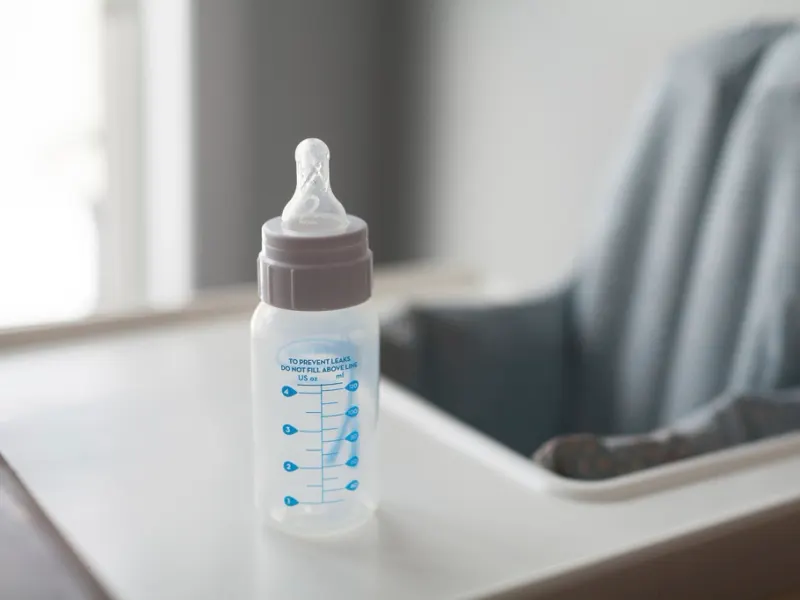
Few parenting topics attract as much unsolicited opinion as how you feed your baby. The practical reality, and the NHS's own position, is more balanced than the online debate suggests.
What the NHS actually recommends
The NHS recommends exclusive breastfeeding for around the first 6 months of a baby's life, then continuing alongside solid food for as long as both you and your baby wish. It also states clearly that infant formula is a safe and nutritionally adequate alternative when breastfeeding isn't possible, isn't working, or isn't the parent's choice — this isn't a grudging concession, it's official guidance.
Breastfeeding: practical trade-offs
- Cost: no ongoing spend on formula, bottles or steriliser running costs, though pumps, nursing bras and lactation support may cost money.
- Convenience: no preparation or sterilising once established, but you are the only person who can feed (unless expressing), which limits sharing night feeds.
- Getting started can be hard: latching problems, cracked nipples and low supply worries are common in the first weeks — support from a midwife, health visitor or lactation consultant makes a real difference and doesn't mean you're failing.
- No need to track ounces: feeding on demand rather than measuring intake, which some parents find freeing and others find hard to gauge.
Formula feeding: practical trade-offs
- Shareable: any caregiver can feed the baby, which matters for partners, grandparents and returning to work.
- Visible measurement: you can see exactly how many ounces/ml your baby has taken, which can be reassuring for weight-gain worries.
- Preparation and sterilising: takes real time — see our sterilisers and bottle prep guide for what actually speeds this up.
- Ongoing cost: formula, bottles and replacement teats are a genuine monthly cost — switching to own-brand first infant formula (nutritionally equivalent by law) is the single biggest saving available.
Combination (mixed) feeding
Many UK families do both — breastfeeding when together, formula for other feeds or when returning to work. This is a completely valid long-term approach, not just a "compromise": it can extend how long you breastfeed at all by relieving some of the pressure of exclusive feeding.
The bottom line
However you feed your baby — breast, formula or a mix — what matters most is that your baby is fed, growing well, and that you have the support you need. If you're struggling with breastfeeding and want to continue, ask your midwife or health visitor for support before deciding to stop; if formula is the right choice for your family, it is a complete and safe way to feed your baby.
Your questions, answered
Is formula as good as breast milk?
Infant formula is nutritionally complete and a safe way to feed your baby when breastfeeding isn't possible, isn't working, or isn't your choice. The NHS recommends breastfeeding where possible but is equally clear that formula-fed babies grow and thrive perfectly well.
Can I combine breastfeeding and formula feeding?
Yes — combination (mixed) feeding, using both breast milk and formula, is a legitimate and common long-term approach in the UK, not just a temporary compromise. It can also help you continue breastfeeding for longer by easing the pressure of exclusive feeding.
Is expensive baby formula better than cheaper own-brand formula?
No — UK law requires every first infant formula to meet the same compositional standards, so premium and supermarket own-brand formulas are nutritionally equivalent. Switching to own-brand is one of the biggest genuine savings available to formula-feeding families.
What if I want to breastfeed but I'm struggling?
Speak to your midwife, health visitor or a lactation consultant as soon as possible — common problems like latching difficulties, cracked nipples and supply worries are very treatable with the right support, and getting help early makes continuing to breastfeed much more likely if that is what you want.
Sources & further reading
Keep reading
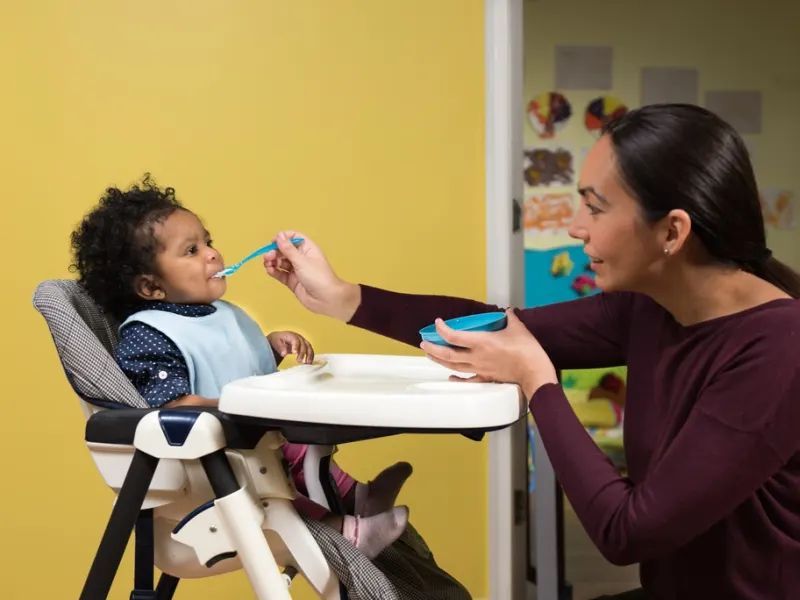
Weaning: When and How to Start Solid Foods
A practical UK weaning guide — the signs of readiness at around 6 months, first foods, baby-led weaning vs purées, allergens and the gear you actually need.

Best Bottle Sterilisers & Prep Machines UK (2026)
The best bottle sterilisers and formula prep machines in the UK — steam, cold water and UV compared, plus NHS guidance on safe formula prep.

Best Breast Pumps UK (2026)
The best breast pumps in the UK — wearable, double electric, hospital-grade and manual pumps compared for every feeding pattern.