Baby
Baby-Proofing Checklist: A Room-by-Room Home Safety Guide
By Emma Whitfield · Pregnancy & Baby Writer
Most home accidents involving young children happen from ordinary household objects and furniture, not obscure hazards — which is good news, because it means a methodical room-by-room pass covers most of the real risk.
When to start
Begin before you think you need to. Babies typically start rolling around 4–6 months, reaching and grabbing shortly after, and crawling or cruising by 6–10 months — by the time a baby is visibly mobile, you want the basics already done, not in progress.
Living room
- Anchor furniture to the wall — bookcases, TV units and chests of drawers are a genuine tipping hazard once a child starts pulling up to stand; anti-tip straps are cheap and take minutes to fit.
- Corner and edge guards on coffee tables and hearths, or consider temporarily rearranging low furniture with sharp corners out of the main crawling area.
- Cable management — bundle and secure trailing cables from lamps and the TV; a pulled cable can bring a heavy object down.
- Small objects at floor level — coins, button batteries and small toy parts are choking hazards; a "grabber test" (if it fits through a toilet roll tube, it's a choking risk) is a useful quick check.
Kitchen
- Stove/oven guard or knob covers — prevents little hands reaching hot rings or pulling pan handles.
- Cupboard locks on anything storing cleaning products, sharp objects or anything you don't want investigated.
- Turn pan handles inward while cooking — a habit worth building regardless of gadgets.
- Bin with a secure lid — kitchen bins are a common source of choking and poisoning incidents.
Bathroom
- Never leave a baby unattended in the bath, even in a bath seat or support — this is the single most important bathroom rule and no product substitutes for it.
- Toilet seat lock once mobile — toddlers can and do fall in.
- Medicines and cleaning products locked away or on a high shelf, in original containers.
- Test bath water temperature with your elbow or a bath thermometer before every bath — around 37–38°C.
Stairs and doorways
- Stair gates top and bottom before your baby starts crawling — top-of-stairs gates should be wall-fixed (pressure-fit gates aren't rated for the top of stairs).
- Door slam guards/finger protectors on doors your child regularly passes through.
Bedroom and nursery
- Cot away from blind cords, curtains and radiators.
- Nothing hanging inside or near the cot once baby can pull up — this includes mobiles at the wrong height and any cord-operated item.
- Follow safer-sleep guidance regardless of proofing — see our newborn sleep guide for the full checklist.
Gear worth buying vs skipping
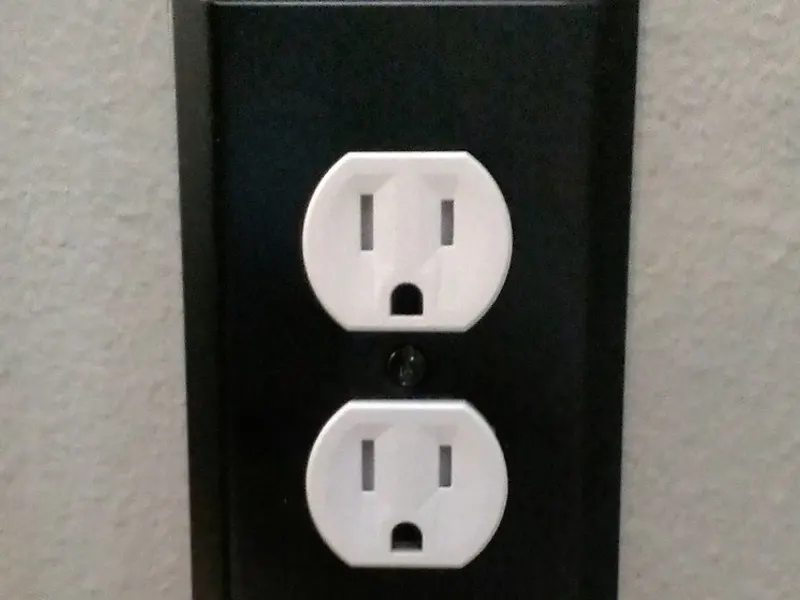
Worth it: stair gates, furniture anti-tip straps, cupboard locks for chemicals, socket covers if your child shows interest in poking at sockets.
Often unnecessary: corner guards on every single surface, elaborate multi-point cupboard lock systems for cupboards with nothing dangerous inside — proof against genuine hazards, not every possible touchpoint.
Your questions, answered
When should I start baby-proofing my house?
Start before your baby becomes mobile — most babies begin rolling around 4–6 months and crawling or cruising by 6–10 months, so aim to have stair gates, furniture anchored and hazards removed by around 4–5 months rather than waiting until your baby is already moving.
What are the most important baby-proofing priorities?
RoSPA data on home accidents in under-5s points to falls, choking and furniture tipping as leading causes — so anchoring furniture to the wall, fitting proper stair gates, and clearing small choking hazards from floor level matter more than exhaustive gadget-buying.
Can I use a pressure-fit stair gate at the top of the stairs?
No — pressure-fit gates are only rated for use between rooms or at the bottom of stairs. The top of any staircase needs a wall-fixed (screwed) safety gate, because a pressure-fit gate can be dislodged by a child leaning on it.
Do I need corner guards on all my furniture?
Not necessarily — focus your effort on genuine hazards (furniture that can tip, hot surfaces, choking-sized objects, stairs) rather than covering every edge in your home. A methodical room-by-room check tends to be more effective than buying every safety gadget available.
Sources & further reading
- Home safety tips and advice — RoSPA
- Safer sleep advice — The Lullaby Trust
Keep reading

Newborn Sleep: An Honest Guide to the First 12 Weeks
What newborn sleep really looks like in the first 12 weeks — safer-sleep rules, realistic expectations, day-night confusion and what actually helps.
Baby Development Month by Month: What to Expect in the First Year
A month-by-month guide to baby development milestones in the first year, what the NHS baby reviews check, and when to seek advice.

Toddler Tantrums: What Actually Works
Why toddler tantrums happen, what to do in the moment, what makes them worse, and when meltdowns might need a conversation with your health visitor.