Baby
Baby-Led Weaning vs Purées: Which Is Right for Your Baby?
By Emma Whitfield · Pregnancy & Baby Writer
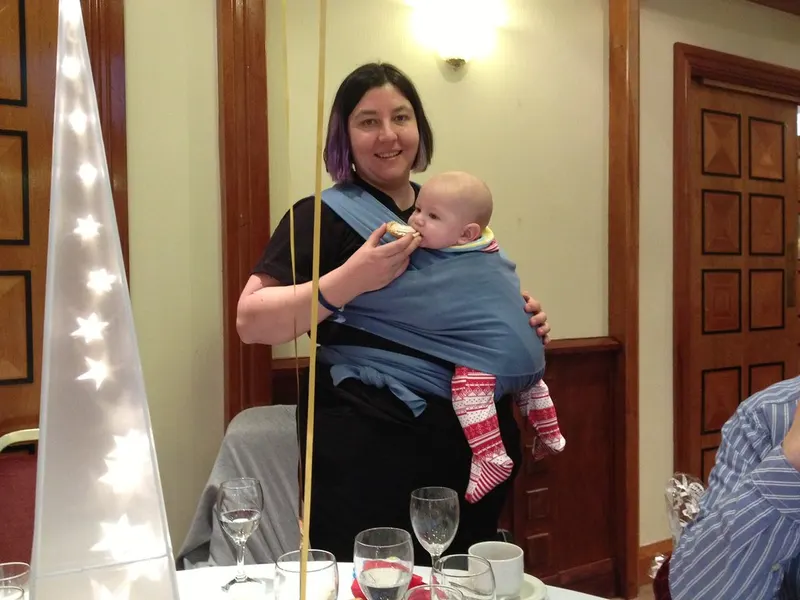
The baby-led weaning (BLW) versus purées debate generates a lot of online noise for two methods the NHS treats as equally valid starting points, not competing camps.
What each method actually is
- Traditional (spoon-fed) weaning: starts with smooth purées and progresses through mashed, then lumpy, then chopped textures over weeks, spoon-fed by a parent initially, moving to self-feeding with a spoon later.
- Baby-led weaning: skips purées in favour of soft, appropriately-sized finger foods from the start (soft-cooked vegetable batons, ripe fruit, toast fingers) that baby picks up and feeds themselves, at their own pace.
- Combination feeding: by far the most common in practice — purées or mashed food for convenience and mess control, alongside finger foods for self-feeding practice, mixed and matched meal by meal.
The readiness signs matter more than the method
Whichever you choose, the NHS is clear your baby needs to show all three signs of being ready, at around 6 months:
- Can stay in a sitting position and hold their head steady
- Can co-ordinate their eyes, hands and mouth to look at food, pick it up and put it in their mouth
- Can swallow food, rather than pushing it back out (the tongue-thrust reflex has faded)
Gagging vs choking — the distinction that matters
Gagging is a normal, noisy, protective reflex that pushes food forward in the mouth — babies doing baby-led weaning gag often, especially in the first few weeks, and it looks alarming but is not dangerous. Choking is silent or causes real difficulty breathing and needs immediate action. Always sit your baby upright, never leave them unsupervised with food, and avoid known choking hazards (whole grapes, whole nuts, hard raw vegetable chunks) regardless of which weaning style you use.
Honest pros and cons
Baby-led weaning
- More mess, generally more visible food waste in the early weeks
- Some families find it fits naturally with eating together as a family from the start
- No strong evidence it improves long-term eating habits over spoon-feeding, despite popular claims
Purées
- Easier to guarantee a minimum amount of food goes in, useful if you're monitoring iron or weight gain closely
- Faster and less messy for a quick meal
- Can feel like "extra work" moving through texture stages methodically
Our take
Most UK parents land on a mix: purées or mashed food when time and mess tolerance are low, finger foods when you have time to sit and supervise properly. Follow your baby's cues over any rulebook — a baby who consistently refuses the spoon or purée textures is telling you something worth listening to, and so is one who isn't interested in self-feeding yet.
Your questions, answered
Is baby-led weaning safer or better than purées?
Neither is proven safer or nutritionally superior — the NHS supports both as valid approaches. What matters most is starting at around 6 months once your baby shows the three readiness signs, and following safe practice (upright sitting, supervision, avoiding choking hazards) regardless of method.
What is the difference between gagging and choking?
Gagging is a loud, visible reflex that pushes food forward and is a normal, protective part of learning to eat — especially common with baby-led weaning. Choking is silent or causes real breathing difficulty and needs immediate action. Always supervise meals and avoid known choking hazards like whole grapes and nuts.
Can I combine baby-led weaning and purées?
Yes — this is what most UK families actually do. There is no rule requiring you to pick one method exclusively; offering purées or mashed food alongside finger foods at the same or different meals is a completely normal and common approach.
When should I start weaning my baby?
The NHS recommends starting solid food at around 6 months, and not before 4 months, once your baby can sit with support, coordinate looking at and grabbing food, and swallow rather than push food back out with their tongue.
Sources & further reading
Keep reading
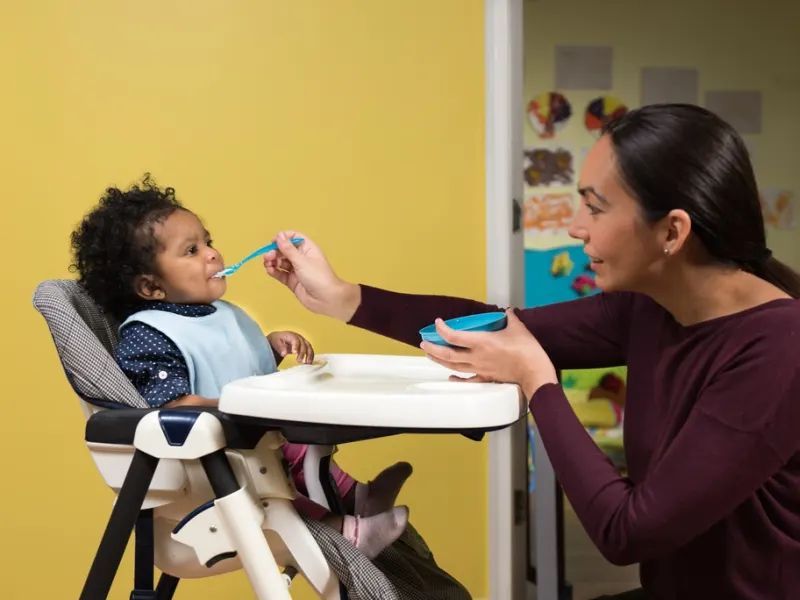
Weaning: When and How to Start Solid Foods
A practical UK weaning guide — the signs of readiness at around 6 months, first foods, baby-led weaning vs purées, allergens and the gear you actually need.
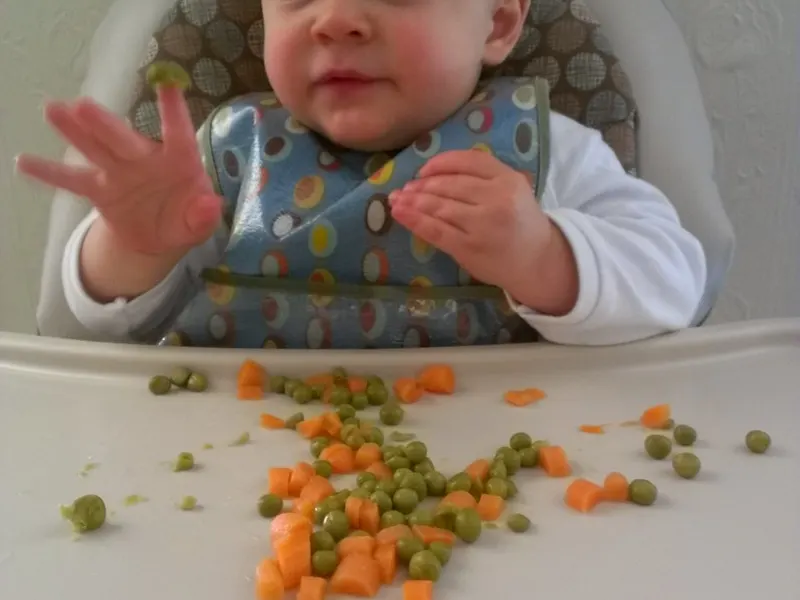
Best Highchairs UK (2026) — For Weaning & Beyond
The best highchairs in the UK for weaning and beyond — adjustable wooden chairs, reclining all-rounders and budget picks compared, with NHS weaning-readiness guidance.

Baby Development Month by Month: What to Expect in the First Year
A month-by-month guide to baby development milestones in the first year, what the NHS baby reviews check, and when to seek advice.